
At Yellow Kite Nursery, a British nursery in Dubai, we are always looking for ways to support the holistic development of children, from their cognitive growth to their physical well-being. One of the most fascinating areas we recently explored in our internal training is kinesiology, a field that examines how movement and reflexes affect early development and learning. Understanding these connections allows educators to better support children in their daily activities and help them reach their full potential.
What is Kinesiology and Why Does it Matter?
Kinesiology is the study of human movement and how it relates to the brain and body. From birth, children have very limited control over their bodies. This control develops gradually, and the way babies move during their first year plays a critical role in forming the neural pathways that support learning, coordination, and overall development. Reflexes, which are automatic, repeated movements, are central to this process.
When reflexes are properly integrated, they provide the foundation for more complex motor skills, emotional regulation, and cognitive abilities. Conversely, if reflexes are retained or not fully integrated, children may face challenges in behaviour, learning, and physical coordination. This understanding is especially valuable within a British nursery in Dubai, where children often come from diverse cultural and developmental backgrounds.
Key Reflexes in Early Development
During our training, we focused on several reflexes that are particularly important in the first 12 months of life. Each reflex supports the next stage of development and contributes to a child’s ability to interact with their environment.
Fear Paralysis Reflex: This reflex helps children respond to stressful or frightening situations. If unintegrated, a child may have a very low tolerance for stress, overreact to fear, struggle with changes in routine, or have sleeping difficulties. Sensory sensitivity may also be heightened, making everyday experiences overwhelming.
Babkin Reflex: This reflex involves hand and mouth coordination and contributes to speech development. If retained, children may have speech difficulties, exaggerated mouth movements when concentrating, or challenges reading body language. They may also show clingy behaviour or experience stress more easily.
Moro Reflex: Also known as the startle reflex, it is triggered by sudden stimuli. Unintegrated, this reflex can lead to anger outbursts, sensitivity to light, sound, touch, or smell, poor balance, and coordination difficulties.
Palmar Reflex: This reflex involves gripping motions and supports fine motor development. Retention may affect hand-eye coordination, motor planning, and the ability to manipulate objects efficiently.
Recognising these reflexes in children is essential for educators and parents alike. Understanding that challenging behaviours may be linked to retained reflexes helps adults respond with empathy and provide targeted support, an approach we prioritise as a British nursery in Dubai.
How to Support Reflex Integration in the Nursery?
At Yellow Kite Nursery, we believe in creating an environment where children can practise and refine these foundational movements. Incorporating specific activities in the classroom can support the integration of reflexes while promoting play and exploration.
Some strategies include:
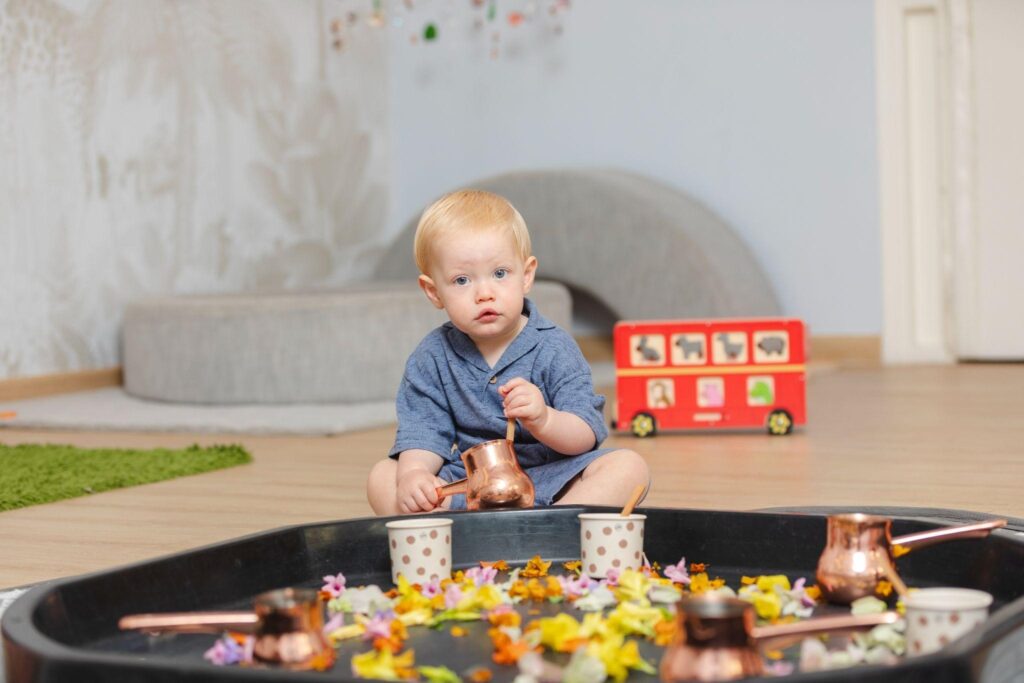
Observing children’s movements and recognising when a reflex may be influencing behaviour Incorporating age-appropriate exercises that support motor development Encouraging sensory play, including water play, gloop trays, and tactile activities Using visual tracking exercises to improve eye coordination Applying gentle techniques such as tapping sequences or brain button exercises to stimulate neural connections
It is important to remember that some children may need additional support from a kinesiologist, particularly if certain reflexes continue to affect learning and behaviour. Kinesiology sessions are typically conducted with children and parents, either online or in person, and involve assessing retained reflexes and providing tailored exercises that can be practised at home.
Principal Laura Says:
“Kinesiology in the early years plays a powerful role in understanding how children move, learn, and connect with the world around them. When a child first joins our nursery, we place great value on getting to know their development from the very beginning. This includes open conversations with families about independence, physical abilities, separation, and attachment.”
“By building this understanding and partnership early on, we can make thoughtful adjustments and small adaptations to our care. It allows us to tailor routines, expectations, and support so each child feels confident, secure, and ready to learn. Every child’s movement journey is unique, and by recognising their individual needs from day one, we can nurture their growth in a way that truly supports their well-being.”
Principal Laura
Practical Exercises for Parents and Educators
Parents and educators can help children strengthen the connection between the brain and body through simple, playful exercises. Some examples include:
Arm and Leg Tapping: Tap each arm and leg individually, then combine sequences on the same side or opposite sides. This helps improve coordination and body awareness. Eye Tracking: Encourage children to follow a moving object from side to side, supporting visual processing and attention. Brain Buttons and K27 Tapping: Gentle pressure on specific points can stimulate neural pathways and support reflex integration. Face Games: Making different facial expressions or mimicking movements can improve motor planning and communication skills.
Hydration is also a surprisingly important factor in development. Water is essential for the transmission of electrical signals in the brain, so children should be encouraged to drink little and often throughout the day.
Why This Matters for Early Learning
Integrating reflexes and understanding kinesiology is not just about physical development; it directly impacts learning, emotional regulation, and social interaction. A child who moves freely and integrates reflexes effectively is better able to focus, follow instructions, interact positively with peers, and manage emotions.
By recognising the role of reflexes in development, educators can:
Offer targeted support that meets each child’s unique needs Reduce frustration for both children and adults Promote a stronger connection between physical movement and cognitive learning Encourage confidence and independence in early years
This holistic approach reflects the values of a British nursery in Dubai, where academic readiness is balanced with emotional well-being and physical development.
Conclusion
Kinesiology provides valuable insights into how children grow and learn. Understanding reflexes, recognising retained movements, and implementing playful exercises to support integration allows us to give children the best start in life. At Yellow Kite Nursery, we are committed to supporting every child in reaching their full potential, blending scientific understanding with curiosity-led play to create a nurturing and stimulating learning environment.
By paying attention to how children move, educators and parents can make a real difference in their development, ensuring that early years are filled with opportunity, growth, and joy.