
It can be frustrating to watch your child reach for the same toy, day after day, seemingly ignoring all the other options available. You may wonder if they are bored, stubborn, or missing out on opportunities to explore. The truth is, what might feel repetitive to you is actually one of the most powerful ways children learn and make sense of the world around them—an approach deeply valued in play-based philosophies such as those followed by a Waldorf nursery in Dubai.
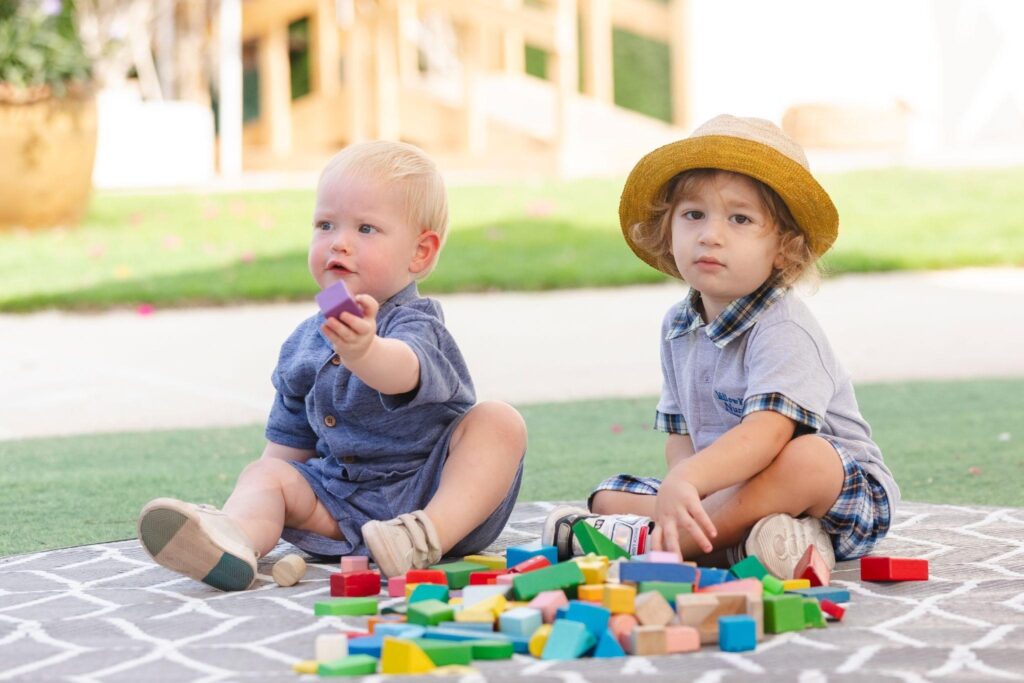
Children’s play is driven by curiosity, experimentation, and a need to master skills. Repetition is not a sign of limitation; it is a fundamental part of early learning. When a child repeatedly engages with a toy, they are practising focus, developing fine and gross motor skills, and exploring cause and effect. Even the seemingly mundane act of stacking blocks or spinning a wheel over and over is building neural pathways in the brain. The more they repeat a movement or interaction, the stronger the connections between neurons become, helping them learn efficiently and retain information.
The Science Behind Repetition
Research in developmental psychology shows that repetition plays a critical role in learning. Piaget emphasised that children learn through active interaction with their environment, testing out their ideas and observing outcomes. Through repetition, children internalise patterns, refine skills, and gain confidence. More recent neuroscience research supports this, showing that repeated actions strengthen synaptic connections in the brain, making future learning faster and more effective.
Repetition also helps children develop emotional resilience. By repeatedly exploring an activity or toy, they learn to manage frustration, celebrate small successes, and build patience. A child learning to pour water from one container to another over and over may appear to be “wasting time,” but each repetition is a small step in mastering coordination, problem-solving, and self-regulation—principles that are intentionally supported in environments such as a Waldorf nursery in Dubai, where process matters more than outcome.
Understanding What Draws Your Child to a Toy
Children choose toys for very specific reasons, and these reasons often relate to how the toy makes them feel or what it allows them to do. Some common factors include:
- Movement: Toys that can be pushed, pulled, spun, or stacked attract children because they allow physical exploration.
- Colour and Visual Appeal: Bright or contrasting colours stimulate visual processing and attract attention.
- Sound and Sensory Feedback: Toys that make noise or have different textures engage multiple senses.
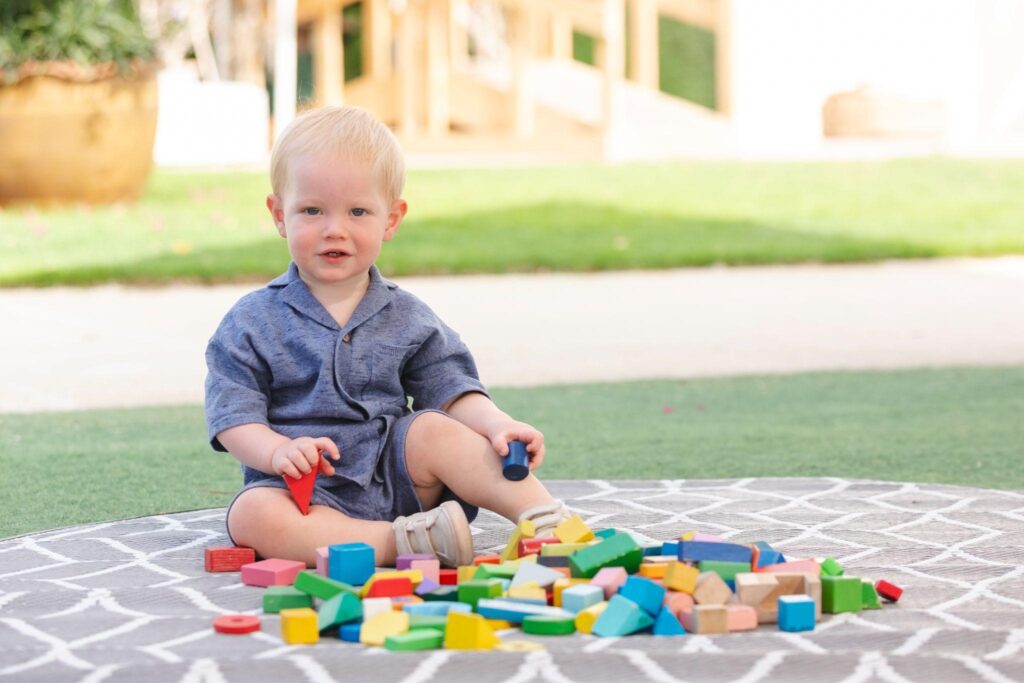
- Problem-Solving Opportunities: Puzzles, shape sorters, or building blocks provide challenges children enjoy mastering through repetition.
It is important for parents and educators to observe not just what children are playing with, but how they are engaging with it. Watch the movements, notice their expressions, and consider why that particular toy is holding their attention. This observation is key to understanding their interests and learning style.
Principal Laura Says:
“It’s funny how often we catch ourselves saying we’re tired of reading the same book or playing with the same toy, even when children have a room full of choices. They ask for the same song again and again, and part of us wonders why. But when you look closely, you realise you’re sitting right beside real brain development. Repetition is not a quirk. It is a powerful part of how children learn. It strengthens pathways in the brain, deepens understanding, and gives children the confidence to return to something familiar while slowly adding new layers of skill.”
“When you see us using scarves often, it isn’t because we have run out of ideas. It is because that simple material supports writing readiness, reading foundations and the fine motor control children will rely on later. Every choice has a purpose. We all need practice to learn something well. You would never question repetition when learning an instrument or building football skills, and the same is true for early development. Play paired with repetition is how children make sense of the world.”
— Principal Laura
How to Expand Learning Without Taking Away Their Focus
Repetition doesn’t mean a child should only ever have one toy. Instead, it’s about using their interest as a springboard to expand learning. Once you understand what draws your child to a particular toy, you can introduce new materials or activities that share similar qualities.
The key is to provide variety that aligns with their natural curiosity. This encourages problem-solving, experimentation, and deeper understanding while keeping them engaged and motivated.
Practical Tips for Parents and Educators
- Observe before intervening
- Rotate materials thoughtfully
- Encourage reflection
- Balance repetition with challenge
Why Repetition is a Positive Sign
When a child keeps returning to a toy, it’s a signal that they are actively learning, experimenting, and consolidating new skills. Far from being a limitation, repetition is a sign of engagement, curiosity, and confidence. Each repetition strengthens neural pathways, reinforces mastery, and lays the foundation for future learning.
Conclusion
Understanding why children repeat certain activities or play with the same toys can transform frustration into appreciation for their learning process. By observing, reflecting, and introducing complementary resources, parents and educators can support children in exploring the world in ways that are engaging, stimulating, and developmentally enriching. Repetition is not a challenge to overcome; it is a vital tool for growth, curiosity, and lifelong learning—one that sits at the heart of thoughtful early years environments, including a Waldorf nursery in Dubai.